
What to Expect From Routine Cleanings by an Experienced Dentist
Routine dental cleanings play a central role in maintaining long-term oral health, comfort, and function. While daily brushing and flossing form the foundation of home care, professional visits provide a deeper level of assessment and cleaning that cannot be achieved on your own. These appointments also help identify concerns early, before they develop into more complex conditions. This consistent preventive approach also supports better overall health beyond the mouth.
Many patients find that understanding what occurs during a cleaning helps reduce uncertainty and makes the experience more comfortable. From diagnostic imaging to polishing and preventive treatments, each step serves a specific purpose in preserving oral health. An experienced dentist follows a structured approach designed to support both immediate cleanliness and long-term stability of teeth and gums. It also helps patients feel more confident about maintaining long-term oral stability.
What Happens During a Routine Cleaning Visit
Initial Evaluation and Diagnostic Review
A routine cleaning visit typically begins with a detailed evaluation of your oral health. This includes reviewing medical and dental history, discussing any changes you have noticed, and assessing areas of concern such as sensitivity or bleeding gums. An experienced dental professional uses this information to tailor the appointment to your specific needs. This step also helps prioritize any immediate care needs.
During this stage, a visual examination is performed to assess teeth, gums, and soft tissues. The goal is to identify early signs of decay, gum inflammation, or other concerns that may not yet be causing discomfort. This initial review sets the foundation for the rest of the visit and ensures that no areas are overlooked.
Dental X-Rays and Internal Assessment
When appropriate, diagnostic imaging is used to gain a clearer view of structures below the surface. X-rays allow for the detection of issues such as decay between teeth, bone changes, or impacted teeth that are not visible during a standard examination. This step enhances diagnostic accuracy and supports preventive care planning. It improves treatment planning and reduces diagnostic uncertainty.
The imaging process is typically quick and designed for patient comfort. Once completed, the dentist evaluates the results alongside the clinical examination. This combination of visual and internal assessment helps create a comprehensive understanding of your oral health status.
Professional Cleaning and Scaling Process
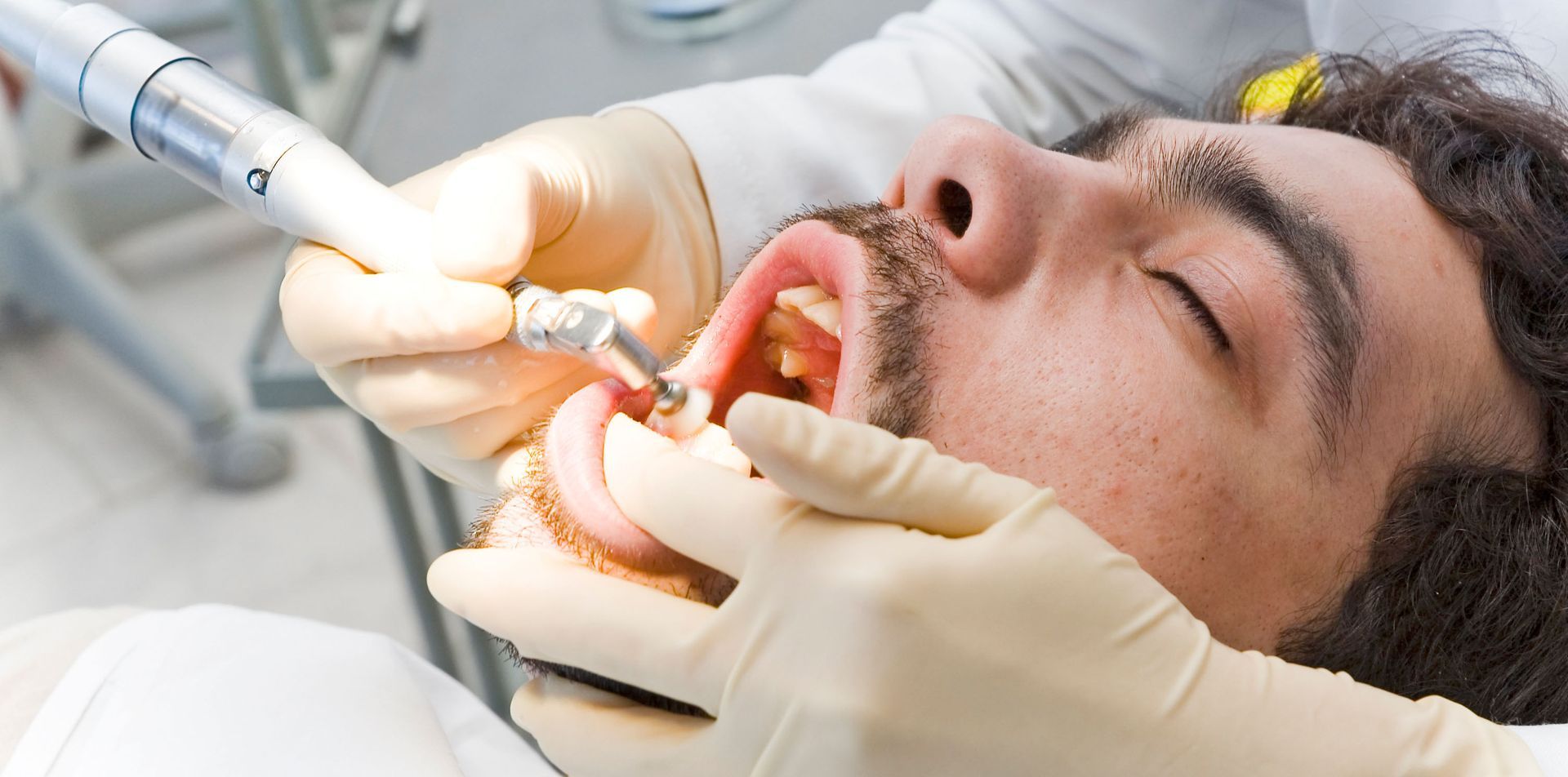
Once the evaluation is complete, the cleaning phase begins with the removal of plaque and tartar buildup. Specialized instruments are used to clean areas that are difficult to reach with daily brushing. This process is essential for preventing gum irritation and reducing the risk of periodontal concerns. It also enhances overall gum health and comfort.
After scaling, the teeth are polished to remove surface stains and smooth enamel. This not only improves appearance but also makes it harder for plaque to accumulate quickly. The cleaning process is thorough, and an experienced dental expert ensures that each area of the mouth is addressed carefully and methodically.
Why Regular Cleanings Matter for Long-Term Oral Health
Preventing Gum Disease and Decay Progression
Routine professional care plays a key role in preventing the development and progression of gum disease. Plaque buildup that remains on the teeth can harden into tartar, which irritates the gums and creates an environment where bacteria thrive. Over time, this can lead to inflammation and tissue damage if not addressed. This helps minimize future complications and treatment needs.
A consistent cleaning schedule helps interrupt this process before it advances. A dentist monitors gum health at each visit and can identify early warning signs that may not yet be noticeable to the patient. This proactive approach supports healthier gums and reduces the likelihood of more invasive treatment later.
Importance of Consistent Preventive Scheduling
According to the Cleveland Clinic, most dental professionals recommend scheduling routine dental cleanings every six months, although some individuals may require more frequent visits based on their oral health needs. Some patients benefit from shorter intervals depending on risk factors.
For many patients, this interval provides an effective balance between home care and professional maintenance. Regular visits allow a dental professional to track subtle changes over time and adjust recommendations accordingly. This consistency is one of the most effective ways to maintain stable oral health throughout adulthood.
Supporting Early Detection of Hidden Issues
One of the most valuable aspects of routine cleanings is the ability to detect problems early. Conditions such as small cavities, enamel wear, or early gum disease often do not cause symptoms in their initial stages. Without professional evaluation, these issues may progress unnoticed. This often leads to more conservative treatment options.
Early detection allows for simpler and less invasive treatment options. A dentist can address concerns before they become more complex, which often helps preserve more of the natural tooth structure. This preventive advantage is a key reason routine visits are strongly emphasized in long-term care planning.
What To Expect From Ongoing Preventive Care and Follow-Up Visits
Personalized Oral Health Guidance and Monitoring
Ongoing preventive care extends beyond cleaning and includes personalized guidance tailored to each patient's needs. After evaluating your oral health, recommendations may be provided regarding brushing techniques, flossing habits, or product selection. These adjustments help improve home care effectiveness. These adjustments improve long-term consistency.
A dentist also monitors changes over time, comparing current findings with previous visits. This longitudinal approach allows for more accurate identification of trends, such as increased sensitivity or shifting gum health. The result is a more individualized and responsive care plan.
Fluoride Treatment and Enamel Protection
In many cases, preventive visits may include treatments designed to strengthen enamel and reduce the risk of decay. Fluoride application is commonly used to reinforce tooth surfaces and enhance resistance to acid exposure from food and bacteria. This step is especially beneficial for patients with higher cavity risk. It is especially useful for patients prone to decay.
The application process is simple and typically completed after cleaning and polishing. A dentist determines whether this treatment is appropriate based on individual risk factors. When included as part of routine care, it contributes to stronger long-term protection of the teeth.
Long-Term Maintenance and Patient Comfort
Ongoing preventive care is designed to support both oral health stability and patient comfort during visits. As patients return regularly, the process often becomes more familiar and efficient, allowing appointments to proceed smoothly while still being thorough. A dentist can also adjust techniques based on patient feedback. This ongoing consistency supports predictable oral health outcomes.
This continuity helps build a comprehensive record of oral health over time. Changes can be addressed promptly, and preventive strategies can be refined as needed. The goal is to maintain a stable, predictable approach to care that reduces the likelihood of unexpected issues developing.
Routine dental cleanings are a foundational part of maintaining healthy teeth and gums over time. They combine evaluation, cleaning, and preventive measures to support both immediate oral hygiene and long-term stability. When performed consistently, these visits help reduce the risk of more serious dental conditions developing unnoticed.
By working with a dentist on a regular schedule, patients gain access to early detection, professional cleaning, and tailored guidance that supports daily oral care routines. Over time, this structured approach helps preserve natural teeth and maintain overall oral health with greater predictability and comfort. It also reinforces the value of prevention as a long-term strategy. If you're interested in scheduling a routine dental cleaning, reach out to The Smile Design Group today!

Share On: